Creative starting point
Explore segmind ai voice for your next project
Start with a script and a clear description of how it should sound. Segmind is associated with visual creation, so check whether the tool you open supports audio output before expecting a spoken file.
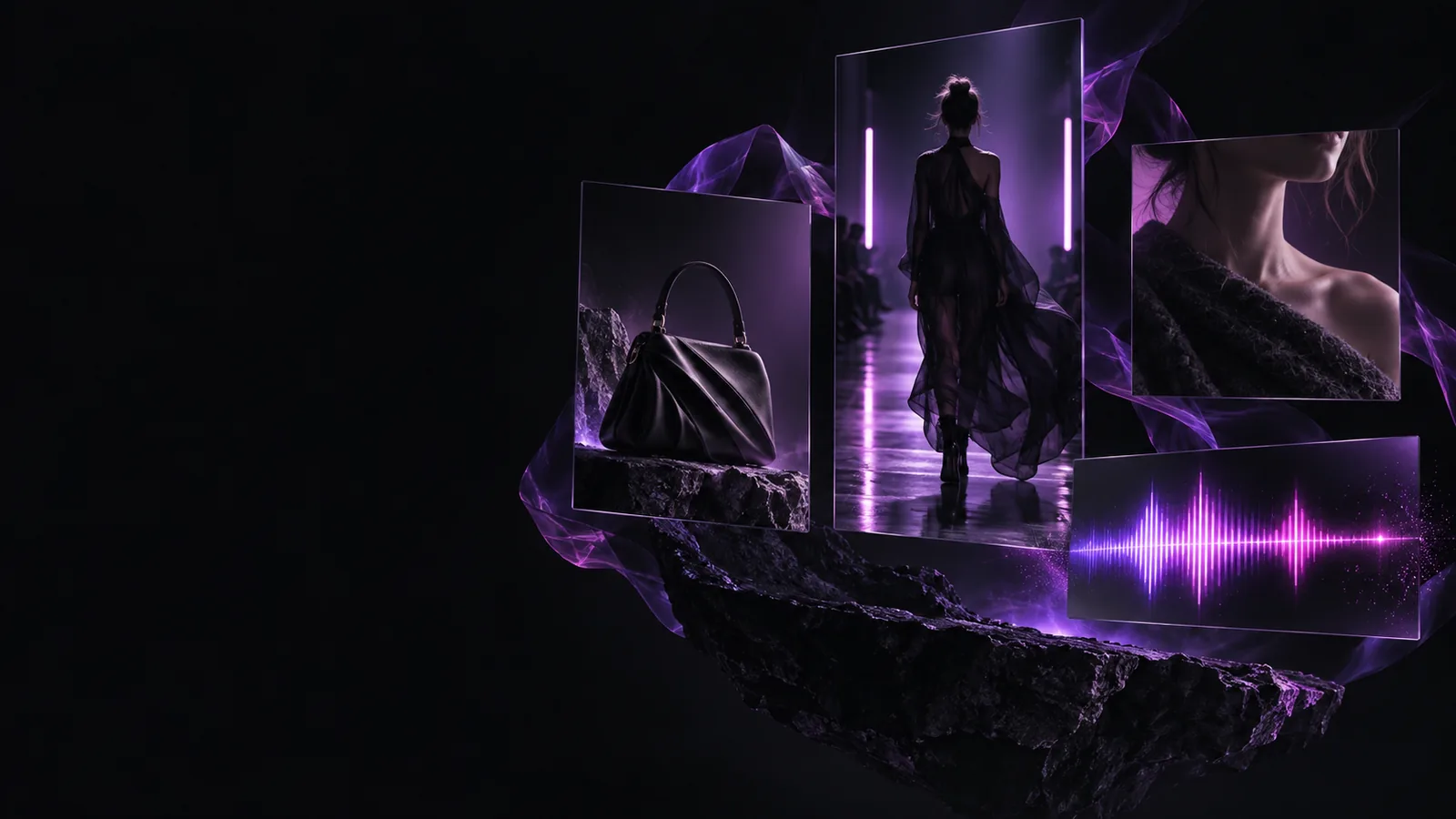
Three paths for a creative idea
Choose the output you actually need. A written narration, an image, and an edited portrait call for different tools even when they belong to the same project.
Step by step, from script to sound
Treat the prompt as a production brief, not as proof that a particular audio model is available.
-
1
Write for listening
Draft the words someone should hear, then read them aloud. Short sentences and clear punctuation give a potential speech tool better cues than a paragraph written for a webpage.
-
2
Specify the delivery
Describe pace, tone, pronunciation, and pauses separately from the script. For example, ask for a calm introduction with a pause before the final line instead of requesting a vague professional voice.
-
3
Confirm the output
After opening the tool, look for an explicit speech or audio option. If only image controls appear, keep the script as your brief and use an audio-capable workflow for the recording.
Limits and edges
The search term names an intent, not a verified promise that every Segmind surface produces speech.
-
A text prompt is not an audio file
Writing a narration in the prompt box prepares your request; it does not establish that the destination can synthesize spoken output.
WorkaroundConfirm that the destination offers an audio or text-to-speech output before relying on it for a recording.
-
Visual output cannot replace narration
Segmind image workflows can support a story visually, but a generated still does not include timing, pronunciation, or sound.
WorkaroundKeep the visual brief separate from the spoken script and match them during editing.
-
A style request cannot guarantee a specific speaker
Words such as warm or energetic describe delivery, not the identity or exact sound of a real person.
WorkaroundUse descriptive, non-identifying direction and review any available sample before publishing.
-
Names can be mispronounced
Brand names, acronyms, and uncommon place names may need special handling in a speech workflow.
WorkaroundAdd phonetic guidance to the script and listen to the result before sharing it.
Voice tasks versus visual tasks
Use this comparison to decide whether the next step belongs in a speech tool or a Segmind visual workflow.
Speech-capable workflow
Segmind visual workflow
Primary input
Speech-capable workflow
A script and delivery directions
Segmind visual workflow
An image prompt or visual source
Desired output
Speech-capable workflow
Spoken audio, if supported
Segmind visual workflow
A generated or edited image
Timing
Speech-capable workflow
Pacing and pauses affect the result
Segmind visual workflow
Timing is not part of a still image
Pronunciation
Speech-capable workflow
Must be checked by listening
Segmind visual workflow
Not applicable to image output
Useful direction
Speech-capable workflow
Tone, emphasis, and reading style
Segmind visual workflow
Composition, lighting, and subject
Final check
Speech-capable workflow
Listen for clarity and errors
Segmind visual workflow
Inspect the image for visual errors
Bring a clear brief to the tool
Start with words worth hearing
Prepare a short script and describe its intended delivery. When you open the tool, verify its available output types; if it is visual-only, use the brief for your project without mistaking an image result for a recording.
Try your brief- Write the exact spoken words
- Describe pace and tone
- Check for audio output
FAQ about AI voice and Segmind
Do not assume audio generation is available from the search term alone. Check the specific tool you open for an explicit speech or audio output option before preparing a project around it.
Include the words to be spoken, then give separate instructions for tone, pace, pauses, and any tricky pronunciations. A concise script is easier to review than a long paragraph with delivery notes mixed into the dialogue.
No. A speech prompt directs how text should sound over time, while an image prompt describes what should appear in a frame. If your project needs both, create distinct briefs for the narration and the visuals.
Look for an audio result you can play and assess, rather than treating generated text or an image as a recording. Listen for missing words, awkward pauses, and pronunciation errors before using it.